
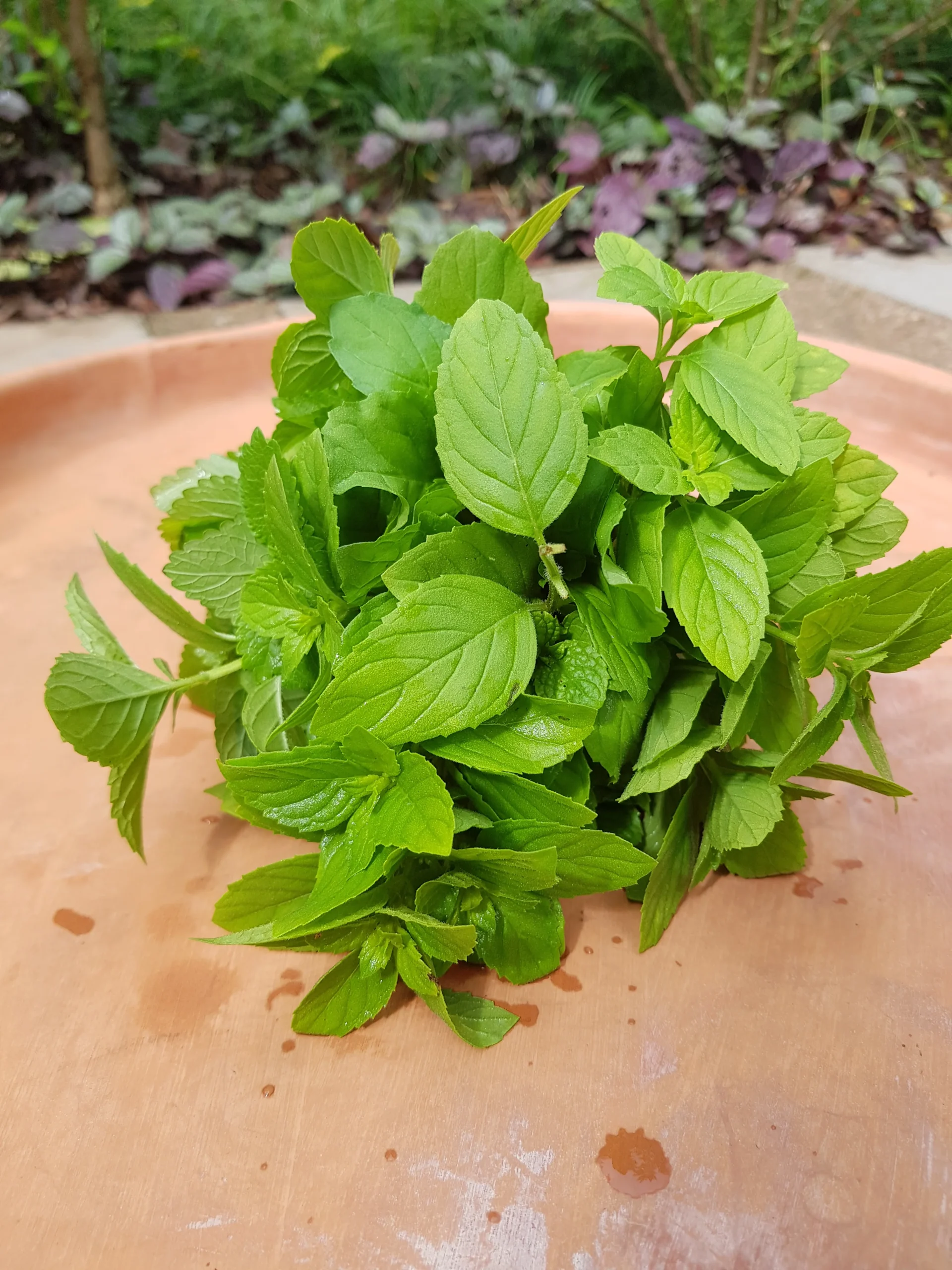
Here is a comprehensive overview of Jammu & Kashmir Japanese Mint, a high-value aromatic crop that represents a niche but significant part of the region’s agricultural diversification efforts.
1. The Core Concept: What is J & K Japanese Mint?
J & K Japanese Mint refers to the cultivation of Mentha arvensis, commonly known as Japanese Mint or Corn Mint, in the Union Territories of Jammu & Kashmir and Ladakh. It is not the common kitchen mint but a specific species cultivated primarily for its essential oil, which is a major source of Menthol.
This crop is part of a strategic shift in the region’s agriculture towards high-value, low-volume aromatic plants that are well-suited to the local climate and offer better economic returns than traditional crops.
2. Key Growing Regions
The cultivation is concentrated in areas with specific agro-climatic conditions:
Jammu Division: Districts like Jammu, Samba, Kathua, and Udhampur.
Kashmir Valley: Selected areas where the climate is suitable, though on a smaller scale.
Ladakh: Emerging as a potential region for cultivation due to its intense sunlight and cool temperatures.
These regions provide the ideal conditions of warm summers and access to irrigation.
3. Botanical and Economic Profile
Common Names: Japanese Mint, Corn Mint, Field Mint.
Botanical Name: Mentha arvensis
Primary Product: Mentha Oil (Japanese Mint Oil).
Key Component: The oil is prized for its high Menthol content (typically 70-80%), which is significantly higher than in other mint species like Peppermint or Spearmint.
4. Key Characteristics and Cultivation Practices
Plant Type: A perennial herb, but cultivated as an annual for oil production.
Propagation: Through runners (suckers) or transplants.
Growing Season: It is a Kharif (rainy season) crop, sown in early spring (February-March) and harvested around June-July, before the monsoon peaks.
Harvesting: The entire aerial part of the plant is harvested just as it begins to flower, which is when the oil content is at its peak.
Processing: The oil is extracted from the herb through steam distillation.
5. The “J & K” Advantage: Why It’s Grown Here
Ideal Agro-Climate:
Temperate Climate: The warm (but not excessively hot) summers of the Jammu region are perfect for mint cultivation. High heat can reduce oil content.
Well-Drained Soil: The foothills and plains of Jammu have the light, well-drained loamy soils that mint requires to prevent root rot.
Good Sunlight: Ample sunlight is crucial for the synthesis of essential oils.
Economic Driver for Diversification:
High-Value Crop: Mentha oil commands a high price in the national and international markets, providing farmers with a much higher income per hectare compared to traditional crops like maize or paddy.
Short Duration Crop: It has a short growing period (around 120 days), allowing for crop rotation.
Government Support: Initiatives from the Department of Agriculture and various horticulture missions encourage farmers to adopt aromatic plants like Japanese Mint by providing subsidized planting material and technical know-how.
6. Uses and Market Significance
Mentha oil from J & K is a crucial industrial raw material:
Pharmaceuticals: The primary use is as a source of natural menthol, which is used in balms, cough drops, decongestants, and pain relief ointments (e.g., Vicks VapoRub, Iodex).
Food & Flavors: Used as a flavoring agent in chewing gum, candies, toothpaste, mouthwash, and beverages.
Aromatherapy & Cosmetics: Used in inhalers, perfumes, and lotions for its cooling and refreshing sensation.
Agarbatti (Incense Sticks): Used as a fragrance component.
7. Challenges Faced
Despite its potential, the sector faces challenges:
Market Price Volatility: The price of mentha oil is highly volatile on the commodity exchanges, posing a risk to farmers.
Water Management: While not as water-intensive as rice, it still requires careful irrigation.
Lack of Local Processing Units: Many farmers have to sell their raw herb or unprocessed oil to traders from other states (like Uttar Pradesh, the largest producer), which reduces their profit margin.
Storage: The oil needs to be stored properly in airtight containers to prevent evaporation and oxidation.
Conclusion
Jammu & Kashmir Japanese Mint is a shining example of the region’s potential in agri-business and horticultural diversification. It represents a move away from subsistence farming towards a more profitable, market-driven agriculture. While the scale is not yet comparable to Uttar Pradesh, its cultivation is a strategic and growing enterprise. For farmers in Jammu and emerging areas of Ladakh, it is a “green gold” that offers a promising avenue for economic growth, contributing to the region’s identity as a producer of high-quality essential oils.
