
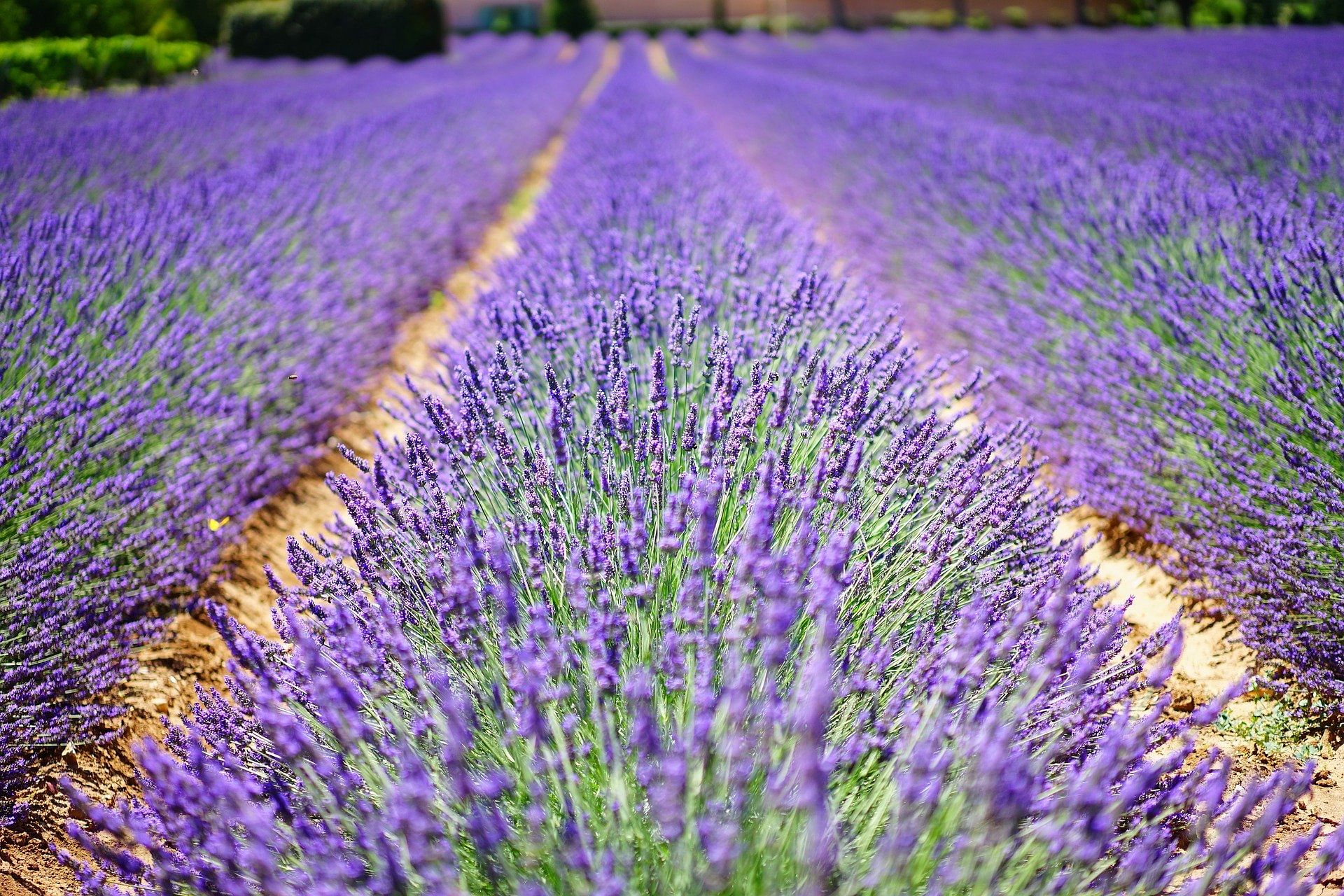
Here is a comprehensive overview of Jammu & Kashmir Lavender, a celebrated initiative that has transformed the region’s agricultural landscape and earned it the title of India’s “Purple Revolution.”
1. The Core Concept: What is J & K Lavender?
J & K Lavender refers to the large-scale cultivation of aromatic lavender, primarily the variety Lavandula angustifolia (True Lavender), in the Union Territories of Jammu & Kashmir and Ladakh. It is not just an agricultural activity but a flagship mission under the Aroma (Purple) Revolution, aimed at boosting farmer incomes, promoting agro-economy, and utilizing the region’s unique climate for high-value cash crops.
The success of this initiative has made Jammu & Kashmir a leading lavender producer in India.
2. Key Growing Regions (The “Purre” Districts)
Lavender cultivation has flourished in the temperate, well-drained, and sunny slopes of the region:
Doda District: The undisputed epicenter, often called the “Lavender Valley of India.” The villages here have seen a dramatic economic transformation.
Ramban, Kishtwar, Rajouri, and Pulwama: Other major districts where cultivation is rapidly expanding.
Ladakh: The high-altitude, dry climate of Ladakh is also highly suitable, with farms emerging around Leh.
3. Primary Variety and Characteristics
Variety: Lavandula angustifolia ‘Raja’ and ‘Sugeccha’. These are high-yielding, climate-resilient varieties specifically promoted under the government’s mission.
Plant: A hardy, perennial shrub with silvery-green, narrow leaves.
Flowers: The famous purple flower spikes bloom from June to July. These flowers are the primary source of the valuable essential oil.
Key Feature: The plant is drought-resistant and thrives in the well-drained, less fertile soils of the Himalayan foothills, making it perfect for land that is unsuitable for traditional crops.
4. The “J & K” Advantage: Why It’s a Revolutionary Success
Ideal Agro-Climatic Conditions:
The cool climate, ample sunshine, and well-drained slopes of the lower Himalayas mimic the native conditions of lavender in the Mediterranean region (like Provence, France). This is crucial for developing the oil’s complex aroma.
The “Purple Revolution” – CSIR-IIM Initiative:
Driven by the Council of Scientific & Industrial Research – Indian Institute of Integrative Medicine (CSIR-IIIM), Jammu, this mission provided farmers with free saplings, technical training, and market linkages.
It was designed as a low-cost, high-return model to empower small and marginal farmers.
Economic Empowerment:
Lavender is a high-value, low-volume crop. A small piece of land can generate significant income through the sale of oil and other products.
It has become a source of sustainable livelihood, particularly for the youth, reducing dependency on traditional and often less profitable crops like maize.
5. Primary Products and Their Uses
The entire economic model revolves around value addition:
Lavender Essential Oil:
Description: The most valuable product, extracted through steam distillation of the flower spikes.
Uses: High-end perfumery, soaps, cosmetics, and aromatherapy for its calming and relaxing properties.
Lavender Water/Hydrosol:
Description: A by-product of the distillation process.
Uses: A natural fragrance and skin toner in cosmetics.
Dried Flower Bundles and Potpourri:
Uses: For home decor, sachets, and crafts.
Medicinal and Wellness Products:
Uses: Lavender is known in herbal medicine for its antiseptic, anti-inflammatory, and calming effects. It is used in balms, pain relief oils, and sleep aids.
6. Economic and Social Impact
Farmer Prosperity: Lavender cultivation has been a game-changer, with farmers reporting incomes 4-5 times higher than from traditional crops.
Women Empowerment: The industry has created opportunities for women in harvesting, processing, and crafting products from lavender.
Tourism (Lavender Tourism): Vast purple lavender fields have become a new tourist attraction, drawing visitors for photography and experiences, much like the famous lavender fields of Provence.
National Recognition: The “Purple Revolution” has been hailed as a model for agricultural transformation in hilly regions and was prominently featured in the Prime Minister’s “Mann Ki Baat” address.
7. Challenges and the Future
Market Linkages: Ensuring stable and fair prices for all farmers as production scales up.
Infrastructure: Expanding access to distillation units and processing facilities in remote areas.
Brand Building: Establishing “J&K Lavender Oil” as a premium, geographically indicated (GI) brand in the global market to compete with international producers.
Product Diversification: Encouraging entrepreneurs to develop a wider range of value-added products like perfumes, candles, and gourmet foods.
Conclusion
Jammu & Kashmir Lavender is a powerful success story of how scientific intervention, climatic advantage, and farmer resilience can converge to create an agricultural revolution. It has painted the hills of Jammu purple, not just with flowers, but with hope, prosperity, and a sustainable future. It stands as a shining example of how India can leverage its diverse agro-climatic zones to build a robust bio-economy, making J&K a key player in the global aromatic industry.
