
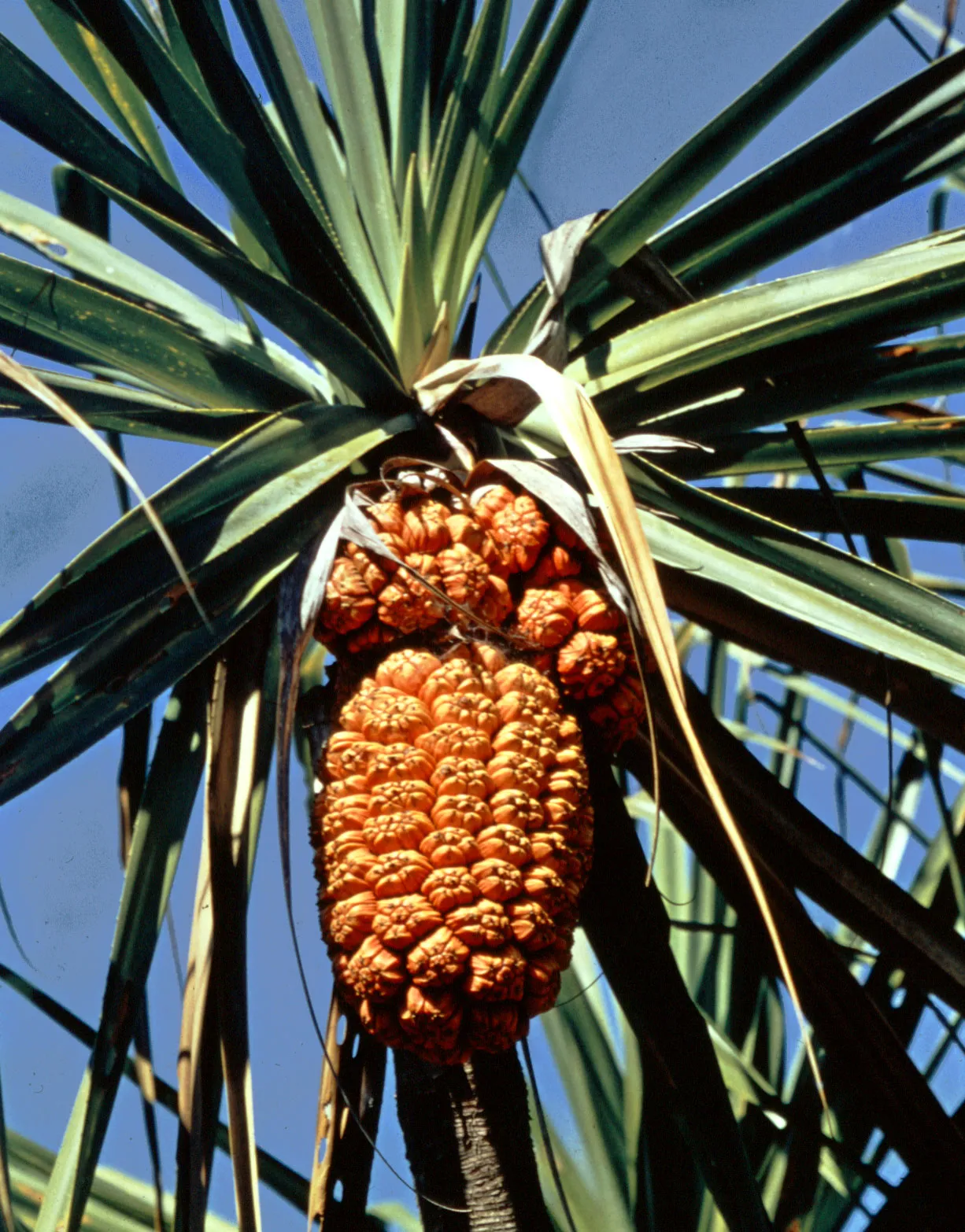
Pandanus, also known as Screw Pine, refers to a genus of over 600 tropical species. In 2026, it is celebrated as a “green gold” resource. While Pandanus amaryllifolius (Pandan) is the culinary star, other species like Pandanus odorifer (Kewda) and Pandanus tectorius are vital for heavy industry and medicine.
📊 Pandanus: Multi-Sector Analysis (2026)
| Sector | Primary Applications | Key Component Used |
| Industrial | Bio-composites for automobiles, eco-friendly corrosion inhibitors, and perfumes. | Root Fibers, Leaf Tannins, Male Flowers |
| Medical | Antiviral nano-coatings for PPE, antihypertensive teas, and glucose management. | Leaf Extracts & Silver Nanoparticles |
| Commerce | Global export of “Kewra” water, frozen leaves for “Vanilla of the East” flavor, and woven furniture. | Essential Oils, Fresh Leaves, Trunk/Leaves |
| Agricultural | Coastal defense (tsunami/erosion buffer), intercropping with coconut, and organic mulch. | Stilt Roots & Whole Tree |
🔍 Detailed Breakdown of Uses
-
Industrial Use: One of the most exciting 2026 developments is the use of Pandanus root fibers in biodegradable composites. These fibers are being reinforced with bio-resins to replace plastics in car interiors and packaging. Additionally, pandan leaf tannins are used as green corrosion inhibitors, protecting industrial iron and steel from acid-induced rust with over 80% efficiency.
-
Medical Use: Pandanus is a pharmacological powerhouse. In 2026, scientists are using pandan extracts to synthesize silver nanoparticles (AgNPs), which are applied to medical fabrics (PPE) for their potent antiviral and antimicrobial properties. Traditionally, it is used to treat high blood pressure (due to high potassium) and manage diabetes symptoms by regulating glucose metabolism.
-
Commercial & Export: The “Kewra” industry in India (particularly Odisha) is a multi-million dollar export sector, producing essential oils for global perfumery. Meanwhile, the export of frozen and powdered pandan leaves has surged in 2026 as Western bakers adopt it as a natural, emerald-green alternative to synthetic vanilla and food coloring.
-
Agricultural Use: Pandanus trees are “ecosystem engineers.” Their unique stilt roots anchor sandy coastlines, acting as a natural barrier against storm surges and salt spray. In 2026, they are widely promoted as an intercrop for banana and coconut plantations because they thrive in partial shade and require very little maintenance.
⚖️ Advantages and Disadvantages
✅ Key Advantages
-
Climate Resilience: It is a “halophyte,” meaning it can survive in high-salt environments and coastal winds where most other crops would perish.
-
Zero-Waste Potential: Every part—from the fragrant flowers and edible fruits to the sturdy trunk and fibrous roots—can be converted into a commercial product.
-
Low Input Farming: Pandanus requires minimal fertilizer and is naturally resistant to many common tropical pests, making it ideal for organic certification.
-
Versatile Fragrance: Its main aroma compound, 2-acetyl-1-pyrroline, is the same one found in Basmati rice, allowing it to act as a natural “flavor enhancer” for cheaper rice varieties.
❌ Key Disadvantages
-
Harvesting Hazards: Many species have sharp, serrated spines along the leaf margins, requiring careful handling and specialized tools for harvesting.
-
Invasive Tendencies: If left unmanaged in certain tropical ecosystems, some species can spread aggressively and crowd out native flora.
-
Processing Complexity: Converting the tough, fibrous leaves into fine weaving material or high-purity powder is labor-intensive and requires multiple drying and stripping stages.
-
Short Aroma Shelf-Life: The volatile oils in the flowers (Kewda) must be distilled immediately after harvest, as the fragrance degrades rapidly once the inflorescence opens.
