
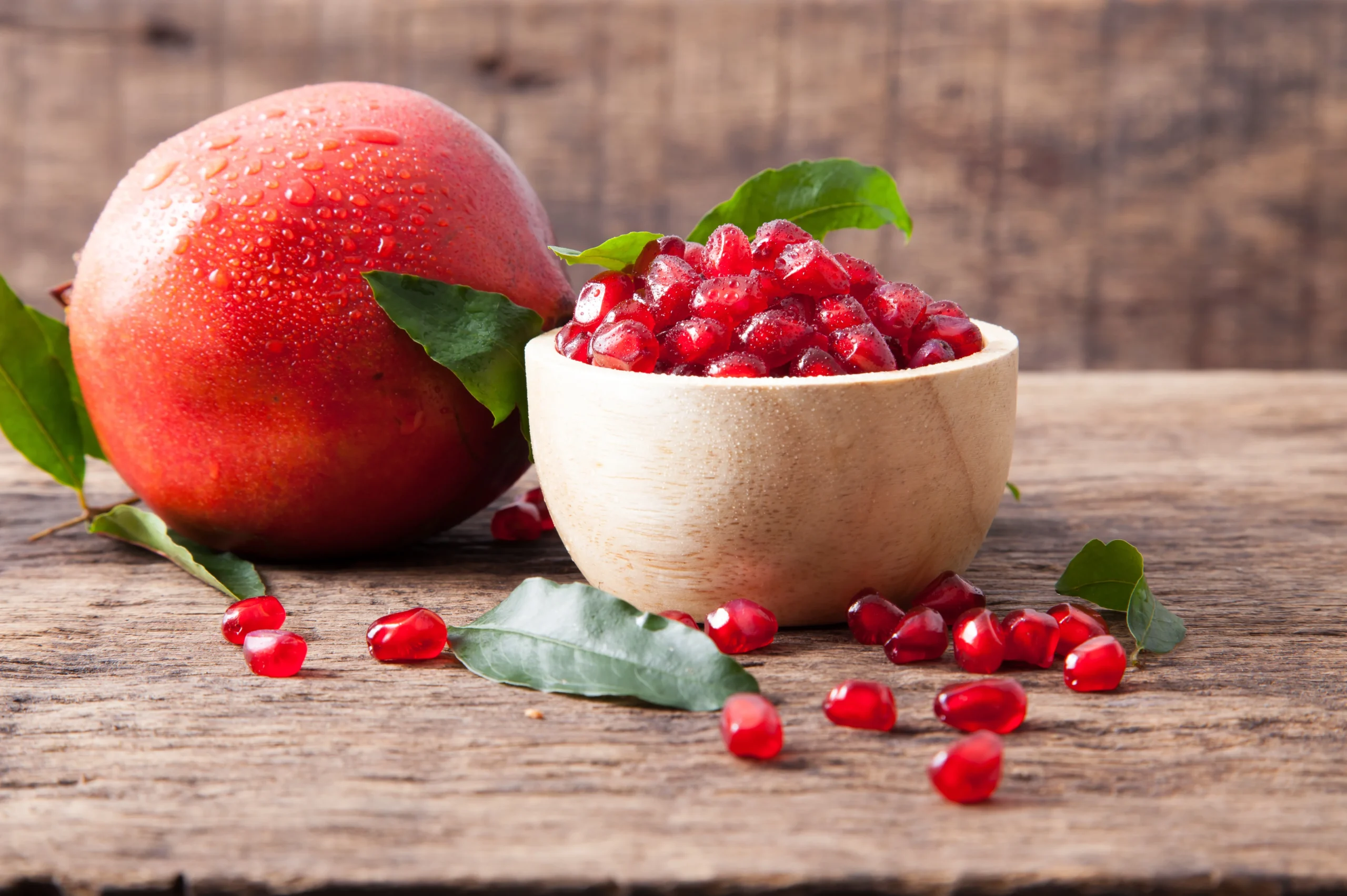
Pomegranate seeds, consisting of the juicy arils and the hard inner kernels, are a biological treasure trove. In 2026, the pomegranate market has grown into a $11.6 billion industry, fueled by the “zero-waste” movement where the seeds—once a byproduct of the juice industry—are now more valuable than the juice itself.
📊 Pomegranate Seeds: Multi-Sector Analysis (2026)
| Sector | Primary Applications | Key Component Used |
| Industrial | High-performance UV-protective coatings, bio-based food packaging, and natural dyes. | Seed Oil & Seed Cake |
| Medical | Cancer-preventive supplements, cardiovascular therapy, and oral biofilm inhibitors. | Punicic Acid & Ellagitannins |
| Commerce | Global export of Anardana (dried seeds), premium facial oils, and functional beverages. | Whole Seeds & Cold-pressed Oil |
| Agricultural | High-antioxidant poultry feed, soil salinity restoration, and natural pest repellents. | Seed Meal & Peel/Seed Byproducts |
🔍 Detailed Breakdown of Uses
-
Medical & Pharmaceutical: Pomegranate seed oil (PSO) is unique because it contains up to 80% Punicic Acid, a rare “super-lipid” that reduces chronic inflammation. In 2026, it is used in clinical formulations to manage Type 2 Diabetes and slow the progression of certain prostate and breast cancers. It is also a leading natural treatment for hypertension, as it helps clear arterial plaque.
-
Commercial & Export: India is the global leader in pomegranate production, with the “Bhagwa” variety being the gold standard for export due to its deep red seeds. A massive commercial trend in 2026 is Anardana powder, which is exported globally as a “sour-sweet” spice for gourmet culinary use and as a natural digestive aid in the health-food sector.
-
Industrial Use: The cosmetic industry is the largest industrial consumer of pomegranate seeds. PSO is a “dry oil” used in high-end anti-aging serums because it stimulates keratinocyte proliferation, effectively thickening the skin and reducing wrinkles. Industrially, the seed cake (left after oil extraction) is being processed into biodegradable films for food packaging.
-
Agricultural Use: Pomegranate trees are “climate-smart” champions. They are highly salinity-tolerant, meaning they can be grown on marginal lands where other crops fail. In 2026, the leftover seed meal is used as a premium animal feed additive to boost the immune systems of livestock and improve the omega-3 content of eggs.
⚖️ Advantages and Disadvantages
✅ Key Advantages
-
Drought & Heat Resilience: Once established, the tree can survive temperatures from -11°C to 44°C and thrives in arid regions with minimal water.
-
Exceptional Nutrient Density: The seeds are packed with Fiber, Vitamin C, and Vitamin K, providing more antioxidants than green tea or red wine.
-
High Economic Return: Pomegranate orchards provide a steady income for up to 30 years, often yielding 3.5–4 lakh INR per hectare (approx. $4,200–$4,800).
-
Cardiovascular Support: Regular consumption is clinically proven to improve blood flow to the heart and thin the blood naturally.
❌ Key Disadvantages
-
Fruit Cracking: Sudden changes in soil moisture or temperature can cause the fruit to “crack” open on the tree, ruining the commercial value of the seeds.
-
Slow Initial Return: While the tree lives long, it typically takes 3 to 5 years to give a significant commercial yield, requiring high upfront investment.
-
Labor-Intensive Processing: Extracting seeds (arils) from the tough, bitter husk without damaging them is difficult and requires specialized machinery or expensive manual labor.
-
High Potassium Risks: While healthy for most, the high potassium content can be dangerous for individuals with compromised kidney function, as their bodies struggle to filter the excess.
