
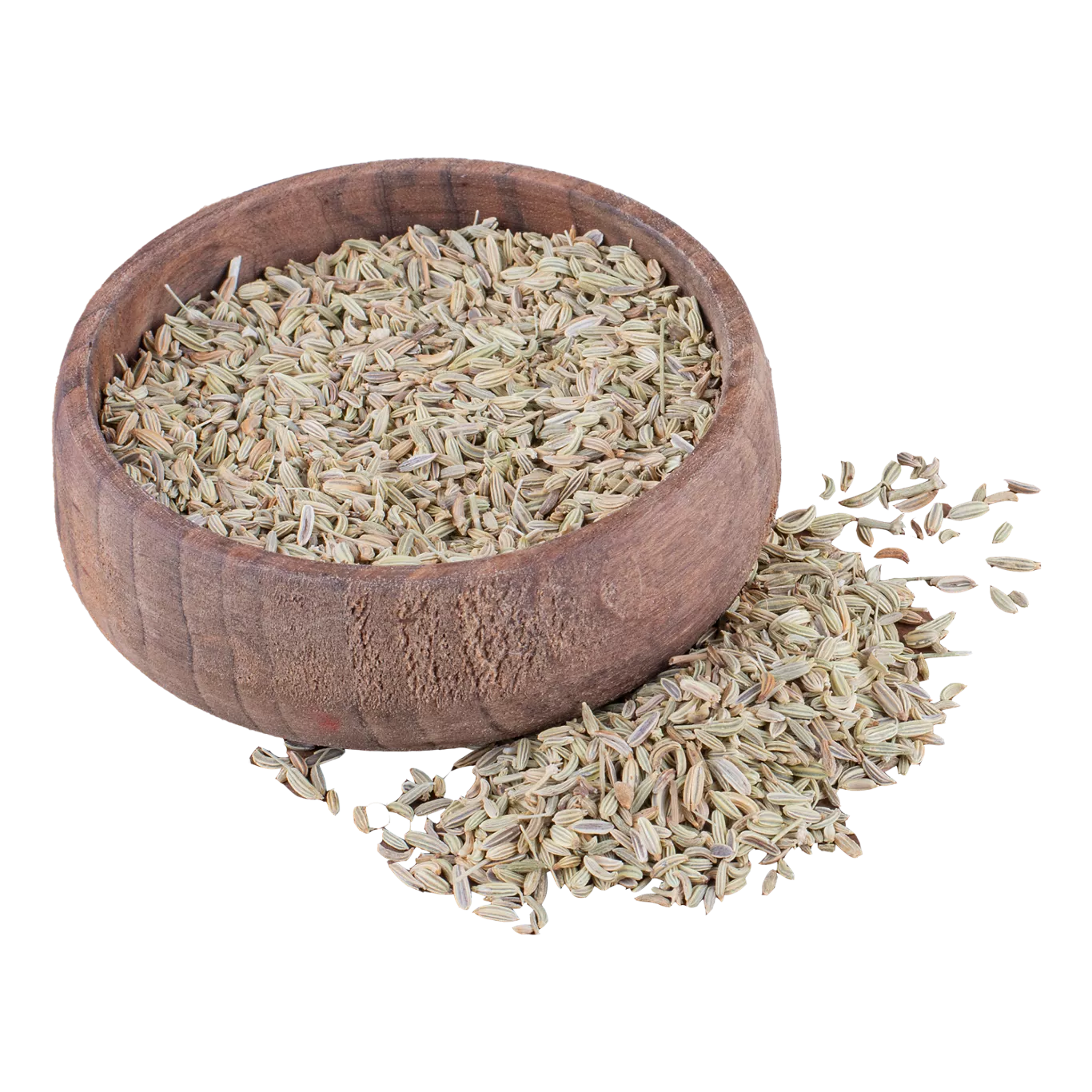
Radhuni seeds (Trachyspermum roxburghianum), also known as Wild Celery Seeds or Ajmod, are a small but potent spice primarily used in Bengali and Southeast Asian cuisines. Often confused with Ajwain due to their similar appearance, Radhuni seeds have a distinct, grassy, and citrusy aroma that is essential for authentic Bengali tempering.
In 2026, Radhuni has seen a resurgence as a “forgotten spice,” gaining traction in global gourmet markets and the pharmaceutical industry for its unique essential oils.
📊 Radhuni Seeds: Multi-Sector Analysis (2026)
| Sector | Primary Applications | Key Component Used |
| Industrial | Used as a fragrance agent in organic cosmetics and as a flavoring in high-end food processing. | Essential Oils (Limonene) |
| Medical | Treatment for respiratory ailments (asthma/bronchitis) and traditional relief for infant colic. | Thymol & Terpenoids |
| Commercial | A key pillar of Panch Phoron (Bengali 5-spice) and a niche export to Western “Spice Boutiques.” | Whole Dried Seeds |
| Agricultural | Natural antifungal spray for crops and an aromatic plant in climate-resilient hill farming. | Whole Plant & Leaves |
🔍 Detailed Breakdown of Uses
-
Commercial & Export: India and Bangladesh are the sole major exporters of Radhuni. In 2026, it is highly valued in the United States and Europe as a “craft spice.” It is the defining ingredient in Bengali Shukto and fish curries. Because it is difficult to source outside of West Bengal and Bangladesh, it commands a premium price in the international market, often sold in small 50g-100g luxury tins.
-
Medical & Pharmaceutical: Radhuni is a powerhouse for digestive health. It contains higher concentrations of certain essential oils than ajwain, making it more effective at clearing toxins (Deepan-Pachan in Ayurveda). In 2026, its extracts are used in herbal supplements for managing blood pressure and reducing inflammation in joints.
-
Industrial Use: The essential oil from the seeds and leaves is used in the perfumery industry to provide a “fresh-green” top note. In the food industry, it is used as a natural antioxidant and preservative in organic pickles and meat marinades.
-
Agricultural Use: The plant is native to South Asia and is increasingly used in agroforestry in Northeast India. Its strong scent acts as a natural pest repellent, and the leaves are often used in “medicinal teas” or steamed with rice in rural hill communities.
⚖️ Advantages and Disadvantages
✅ Key Advantages
-
Nutritional Density: Radhuni is exceptionally rich in Calcium, Iron, and Magnesium, making it a great supplement for bone health and anemia prevention.
-
Antimicrobial Potency: It has strong antibacterial properties that exceed many synthetic preservatives, making it ideal for the 2026 “Clean Label” food trend.
-
Digestive Relief: It is one of the most effective natural remedies for bloating, abdominal spasms, and “heavy” stomach feelings after a meal.
❌ Key Disadvantages
-
Difficult Sourcing: Unlike cumin or mustard, Radhuni is not widely cultivated, making it hard to find even in many parts of India outside of the eastern states.
-
High Bitterness: If not tempered correctly in hot oil, the seeds can turn a dish unpleasantly bitter and overpowering.
-
Identification Risk: It is frequently mislabeled as Celery Seeds or Ajwain in international markets. While they belong to the same family, their chemical profiles and flavors are entirely different.
-
Labor-Intensive: The seeds are tiny and lightweight, making the cleaning and processing (to remove dust and husk) a meticulous and slow manual process.
