
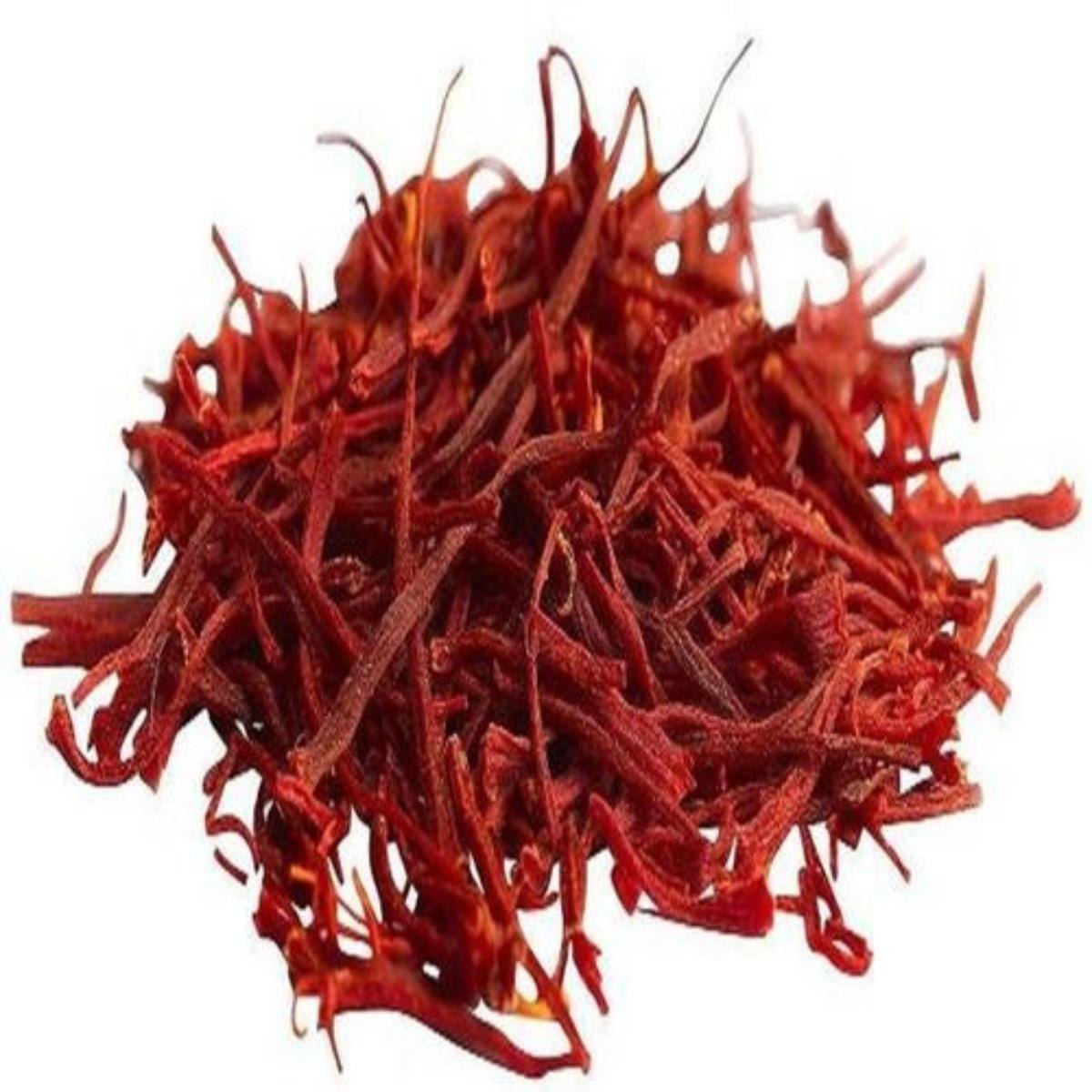
Saffron (Crocus sativus), often called “Red Gold,” is the world’s most expensive spice. In 2026, it has transitioned from a purely culinary luxury into a high-stakes pharmaceutical and industrial asset. It takes roughly 150,000 to 200,000 flowers to produce just 1 kg of dried saffron, which explains its staggering market value.
📊 Saffron: Multi-Sector Analysis (2026)
| Sector | Primary Applications | Key Component Used |
| Medical | Antidepressants, Alzheimer’s management, and macular degeneration eye health. | Crocin, Crocetin & Safranal |
| Commercial | Luxury gourmet exports, GI-tagged Kashmiri and Iranian strands. | Whole Dried Stigmas |
| Industrial | High-end natural dyes (E164), premium perfumery, and anti-aging cosmetics. | Safranal & Crocin |
| Agricultural | High-value aeroponics and hydroponics; climate-smart greenhouse farming. | Corms (Bulbs) |
🔍 Detailed Breakdown of Uses
-
Medical & Pharmaceutical: In 2026, saffron is clinically recognized as the “Sunshine Spice” for its ability to treat mild-to-moderate depression as effectively as some standard antidepressants. Its active compound, Crocin, is being used in neuroprotective drugs to slow cognitive decline in Alzheimer’s patients and improve vision in those with age-related macular degeneration.
-
Commercial & Export: The 2026 market price for premium Kashmiri Mongra ranges from $2,500 to $4,500 per kg, while high-grade Iranian Super Negin trades at roughly $1,400 to $1,800 per kg. Major trade hubs in Dubai and Spain act as global redistribution centers for these exports.
-
Industrial & Cosmetic: Saffron is a leading “natural AHA” in the 2026 organic beauty market. It is used in premium skin-brightening serums to treat hyperpigmentation. Industrially, it remains the gold standard for natural yellow-orange food coloring (coded as E164 in Europe) due to its extreme stability and coloring strength.
-
Agricultural Use: To overcome climate dependency, 2026 has seen a surge in aeroponic saffron farming. This method allows farmers to grow saffron indoors in non-traditional regions (like Rajasthan or California), using mist-fed nutrients to produce high-grade stigmas year-round.
⚖️ Advantages and Disadvantages
✅ Key Advantages
-
Highest Value Density: Saffron offers the highest profit per square inch of any legal crop, making it ideal for small landholders.
-
Scientific Versatility: Its bioactive compounds (crocin and safranal) are unique; they provide color, flavor, and medicine simultaneously, a rarity in the plant world.
-
Low Water Requirement: Once the corms are established, saffron requires very little water compared to other luxury crops, fitting perfectly into 2026 “water-wise” agricultural goals.
❌ Key Disadvantages
-
Extreme Labor Costs: Saffron is immune to automation. Every single thread must be hand-picked at dawn before the flowers wilt, leading to massive labor overhead.
-
Adulteration Risks: Because of its price, saffron is the most faked spice in the world. Fraudsters often mix it with dyed corn silk or safflower, requiring expensive lab testing for commercial buyers.
-
Slow Reproduction: Saffron is sterile and cannot grow from seeds; it depends entirely on humans to dig up and replant its bulbs (corms) every few years.
-
Sensitivity to Rainfall: While drought-tolerant, any heavy rain during the brief two-week flowering window can rot the crop and destroy an entire year’s income.
