
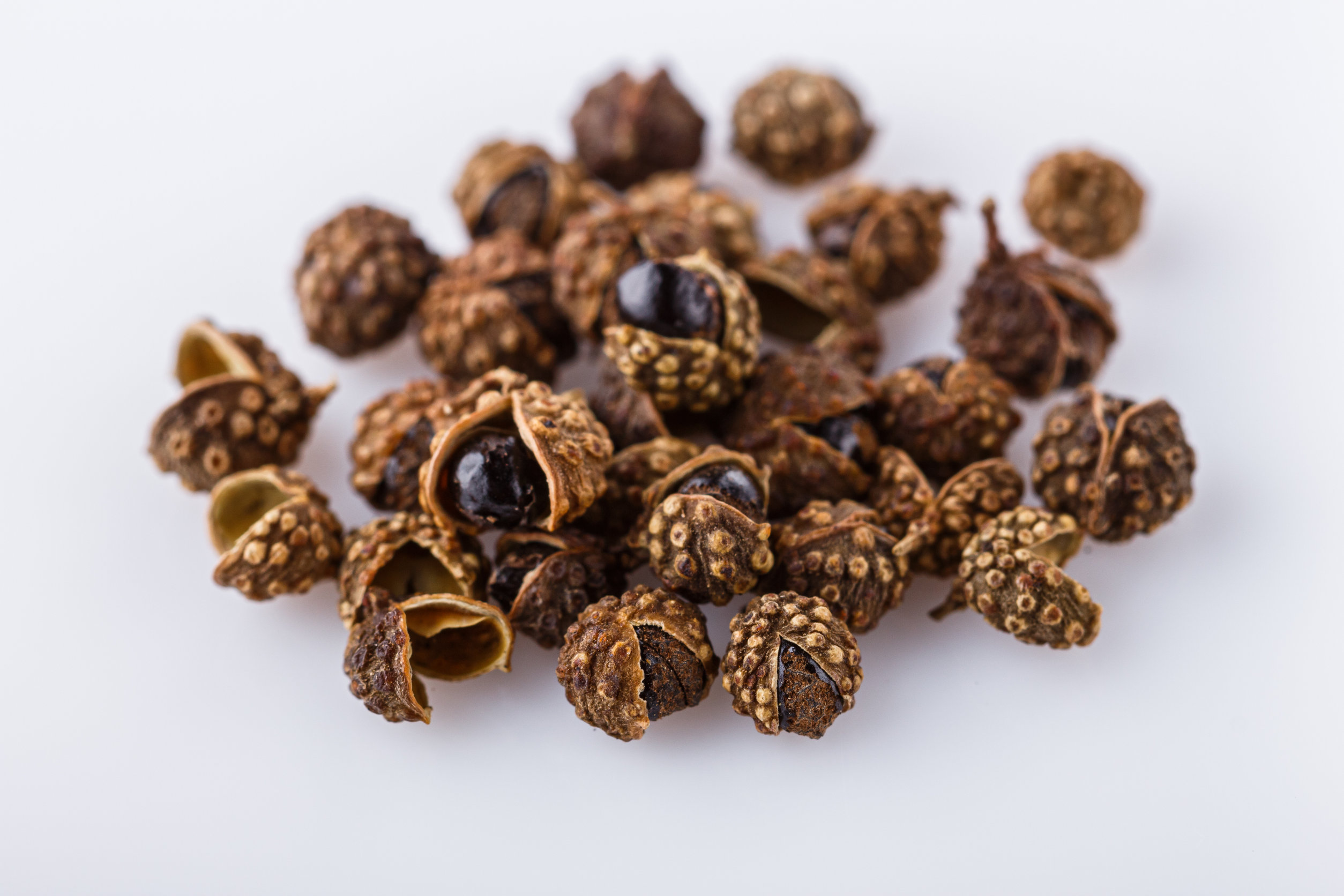
Sichuan Pepper (genus Zanthoxylum) is a premium aromatic spice belonging to the Citrus (Rutaceae) family, famously known for its unique “numbing” sensation. Unlike the heat of chilies, it contains hydroxy-alpha-sanshool, which causes a high-frequency vibration (paresthesia) on the tongue. In 2026, it is a high-demand commodity in global food, pharmaceutical, and cosmetic markets.
📊 Sector-Specific Applications (2026)
🔍 Strategic Analysis
✅ Advantages: In 2026, its primary advantage is its unrivaled market niche; there is no synthetic substitute that can replicate its 50 Hz tingling sensation. Agriculturally, the tree is exceptionally hardy, thriving in poor, mountainous soils at altitudes up to 1,500m. It is also a “clean-label” powerhouse, providing antimicrobial and antioxidant properties that allow food manufacturers to reduce chemical preservatives.
❌ Disadvantages: A major commercial hurdle is the strict quarantine laws; because it is a citrus relative, many countries restrict its import to prevent “Citrus Canker” transmission. Additionally, the spice is highly volatile, losing its numbing potency quickly if not vacuum-sealed. Harvesting remains dangerous and labor-intensive due to the sharp spines on the “Prickly Ash” branches, which typically requires manual picking and specialized protective gear.
Would you like me to find the 2026 market price trends for “Green” vs “Red” Sichuan pepper, or a guide on its use in medical-grade oral gels?
