
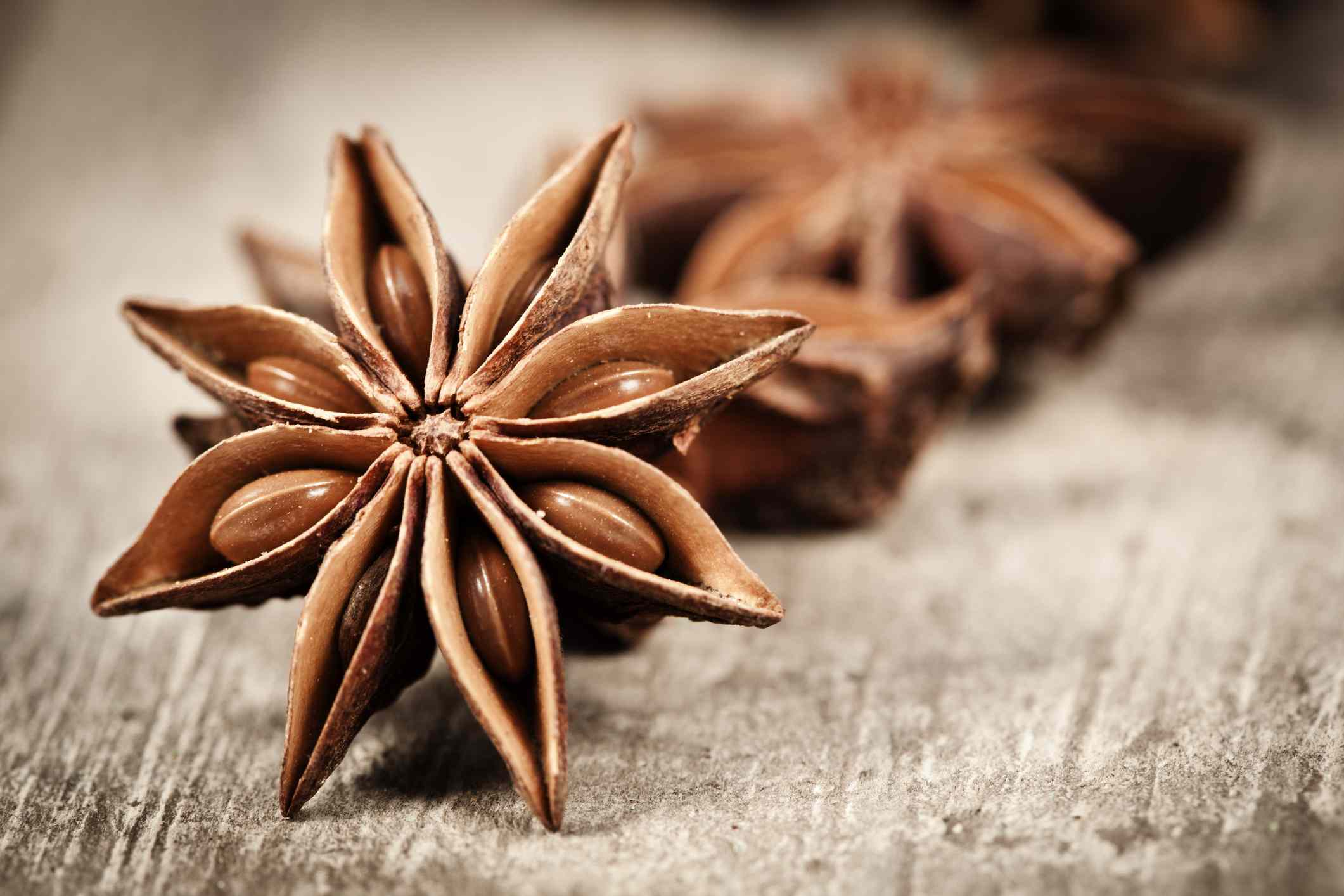
Star Anise (Illicium verum) is a star-shaped seed pod from a medium-sized evergreen tree native to Southwest China and Vietnam. In 2026, it has been named the “Flavor of the Year” by global food scientists, highlighting its shift from a traditional spice to a high-value industrial and medical asset.
📊 Star Anise: Multi-Sector Analysis (2026)
| Sector | Core Applications | Key Component |
| Industrial | Precursor for Tamiflu, alcohol flavoring (Sambucca/Absinthe), and high-end fragrance. | Shikimic Acid & Anethole |
| Medical | Antiviral drugs, digestive aids, and infant colic remedies (regulated). | Shikimic Acid |
| Commerce | Global spice trade, “Frosted Star Anise” flavor trends, and luxury confectionery. | Dried Whole Fruit |
| Agricultural | Natural fungicide for crops and livestock feed supplements. | Trans-anethole |
🔍 Detailed Breakdown of Uses
-
Medical & Pharmaceutical: This is the most critical use of star anise. It is the primary natural source of Shikimic Acid, the essential base ingredient for Oseltamivir (Tamiflu), the world’s leading antiviral for influenza. In 2026, as global health authorities focus on pandemic preparedness, the pharmaceutical demand for star anise remains a multibillion-dollar driver.
-
Commercial & Export: The global market has crossed the $1.2 billion mark. China and Vietnam control over 90% of global exports. A major trend in 2026 is the use of “Frosted Star Anise” in beverages and skincare, where it is paired with cooling agents to create “trigeminal” sensations (complex hot-cold feelings).
-
Industrial Use: Beyond food, the essential oil is a massive ingredient in the perfumery and soap industries for its deep, licorice-like scent. It is also used as a “masking agent” in unpleasant-smelling medications and as a natural bio-pesticide in organic farming.
⚖️ Advantages and Disadvantages
✅ Key Advantages
-
Unrivaled Medical Value: It remains the most efficient biological “factory” for shikimic acid; while synthetic versions exist, they are significantly more expensive to produce.
-
Health Benefits: It is a powerful antioxidant and antibacterial agent. It has been shown to be effective against multiple drug-resistant bacteria in recent 2025-2026 clinical studies.
-
Aromatic Versatility: It bridges the gap between sweet (jams, cakes) and savory (biryani, pho), making it a “must-have” for global food manufacturers.
❌ Key Disadvantages
-
The “Japanese Imposter” Risk: A major disadvantage is the existence of Japanese Star Anise (Illicium anisatum), which looks nearly identical but is highly toxic. Ingestion can cause seizures and hallucinations, leading to strict regulatory testing for all imports.
-
Climate Sensitivity: The tree only grows in specific subtropical zones. Frost or unexpected cold snaps in China or Vietnam can cause global price spikes in flu medication.
-
Slow ROI: Similar to Tamarind, the trees take approximately 6 years to start fruiting, making it a difficult crop for farmers to switch to quickly during high-demand years.
