
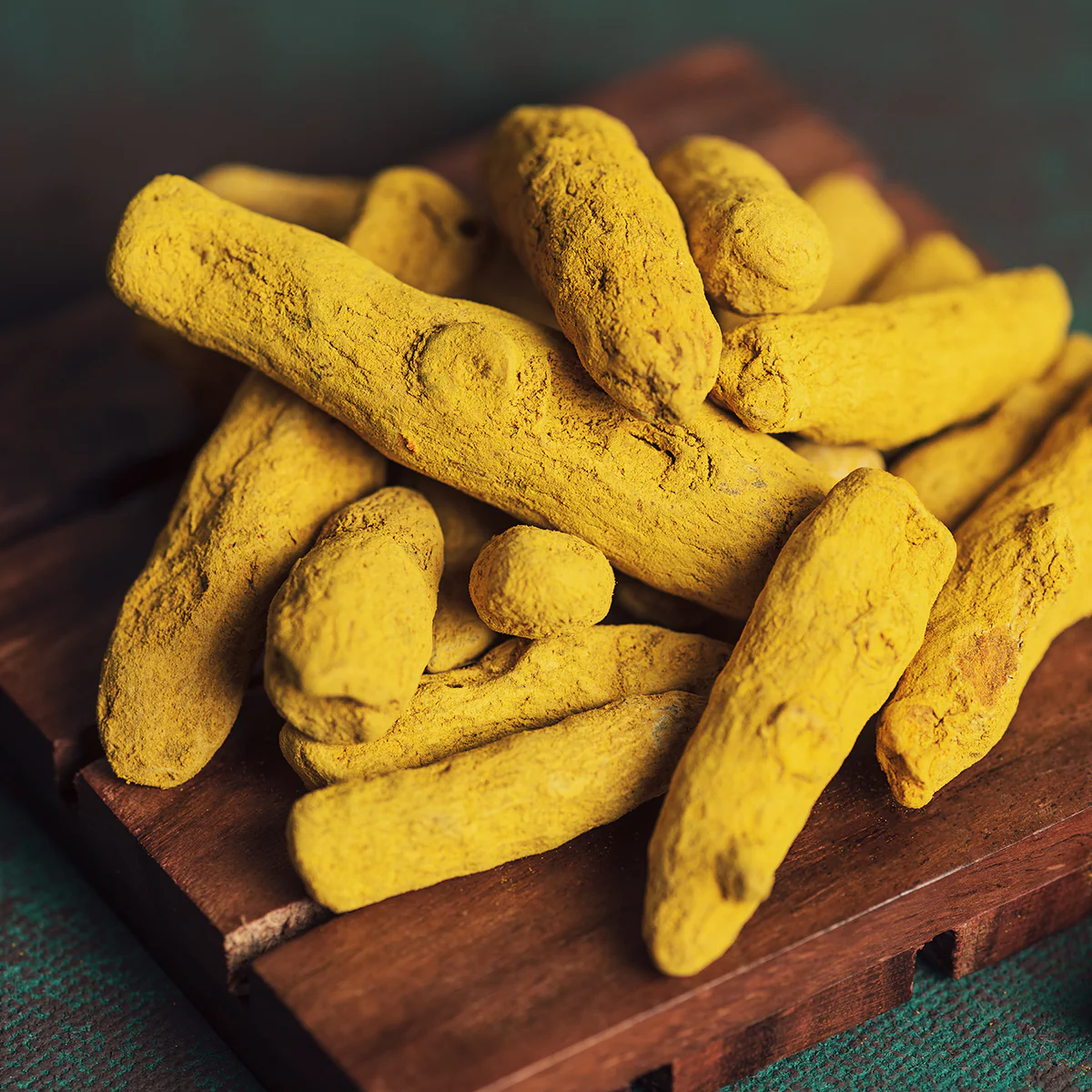
In India, turmeric (Haldi) is currently undergoing a transformative phase. As of February 27, 2026, the industry is characterized by high price volatility, a newly formed National Turmeric Board, and a massive push toward high-curcumin exports.
1. 2026 Market Prices (Live Mandi Snapshot)
Prices in February 2026 have shown a “rounding bottom” recovery. While fresh arrivals have started, supply remains tight, keeping prices firm.
| Market (Mandi) | Variety | Price (₹/Quintal) | Status |
| Sangli (MH) | Rajapuri | ₹13,500 – ₹25,400 | High premium for “Rajapuri” quality. |
| Nizamabad (TS) | Finger (Double Polish) | ₹16,320 – ₹16,500 | Stable; arrivals up 32% YoY. |
| Erode (TN) | Finger | ₹15,810 – ₹16,200 | Strong demand from spice brands. |
| Khari Baoli (DL) | Gattah (Unpolished) | ₹14,600 | Key hub for North Indian distribution. |
-
NCDEX Futures: Trading around ₹15,380 (April expiry), reflecting a 24% increase over the last 12 months.
2. Production & Acreage (2025–2026)
The 2025–26 Kharif season saw a significant 25% increase in acreage, yet total production has been tempered by weather.
-
Total Output: Estimated at 8.5 to 9.2 million bags (approx. 7 lakh metric tonnes).
-
Weather Impact: Heavy unseasonal rains in Maharashtra (Nanded/Hingoli) in late 2025 caused waterlogging, damaging roughly 15% of the crop and leading to localized yield losses.
-
Top Producers: Maharashtra remains the leader (~3.3 lakh tonnes), followed by Tamil Nadu, Telangana, and Karnataka.
3. The “Curcumin” Race: Top Varieties
In 2026, the focus has shifted from volume to Curcumin content, which determines medicinal and export value.
-
Lakadong (Meghalaya): The world’s highest curcumin (~7–12%). It is the star of India’s 2026 export strategy.
-
IISR Pratibha: A high-yielding variety (28 t/ha) gaining massive popularity in Karnataka and Kerala.
-
Salem & Rajapuri: The commercial standards for the food industry due to their bright yellow color and “double polish” finish.
-
Alleppey Supreme: Favored by pharmaceutical companies for consistent oil and curcumin extracts.
4. Key Policy: The National Turmeric Board
Formed recently, the Board is now fully operational in 2026 with a goal to hit $1 Billion in exports by 2030.
-
IPM Certification: About 7–8% of the 2026 crop is now “Integrated Pest Management” certified, specifically to meet the strict EU-standard pesticide norms.
-
Value Addition: The government is subsidizing units for Curcumin extraction and Oleoresin production, moving away from exporting raw turmeric to high-margin processed goods.
5. Summary: 2026 Snapshot
| Metric | Current Data (Feb 2026) |
| National Acreage | ~3.02 Lakh Hectares (+4-25% YoY) |
| Avg. Mandi Price | ₹15,500 per quintal |
| Export Target | 3.55 Lakh Metric Tonnes |
| Major Threat | Aflatoxin & Rhizome rot in Maharashtra |
Gemini said
In India, turmeric (Haldi) is currently at a critical market junction. As of February 27, 2026, the industry is balancing a record increase in planting area with localized crop damage, while a newly empowered National Turmeric Board pushes for a global export surge.
1. 2026 Market Prices (Live Mandi Rates)
Prices today reflect a “waiting game” as fresh arrivals begin to hit the markets. While acreage is up, lower carry-over stocks are keeping prices significantly higher than previous years.
-
NCDEX Futures: Prices recently dipped slightly (~2.3%) to around ₹15,600 for April delivery due to expectations of high arrivals in Erode over the next two weeks.
2. Production & Acreage (2025–2026)
The 2025–26 crop cycle has been a roller coaster of high confidence and weather hurdles.
-
Acreage Boom: Total sowing area increased to 3.02 lakh hectares (up ~15-20% in some states) as farmers were lured by high 2024 prices.
-
Total Output: Estimated at 11.41 lakh tonnes (fresh) or roughly 90 lakh bags (dried).
-
The “Maharashtra Crisis”: While acreage was high, unseasonal rains in late 2025 caused waterlogging and “rhizome rot” in Nanded and Hingoli, damaging nearly 15% of the area. This has led to a quality premium for “Double Polish” lots from other regions.
3. Leading States (2026 Rankings)
-
Maharashtra: Remains the volume leader (~30% share), though quality is split this year due to rain damage.
-
Telangana: The “Export Hub.” Nizamabad remains one of Asia’s largest trading centers.
-
Tamil Nadu: Known for the best commercial color and aroma (Erode/Salem varieties).
-
Andhra Pradesh: Seeing a recovery in yield after a few stagnant years.
-
Meghalaya: Small in volume but world-famous for Lakadong, which boasts the highest curcumin content (7-12%).
4. The National Turmeric Board (One Year Anniversary)
In January 2026, the National Turmeric Board completed its first full year of operations.
-
Target: Reaching $1 Billion in exports by 2030.
-
Value Addition: The board is aggressively funding units for Curcumin extraction and Oleoresin, moving India from a raw-material exporter to a high-margin nutraceutical supplier.
-
IPM Progress: For the 2026 harvest, approx. 7-8% of the crop is “IPM Certified” (Pest Managed), meeting the strict EU standards for chemical residues.
